
Arcade
The good bit of an arcade game is when your hands catch up with your eyes. You stop narrating what you're doing and just do it, chaining moves you didn't consciously plan. Then you lose by a whisker and immediately start another run. The score is only the receipt.

2048
Slide and merge numbered tiles toward the 2048 tile, then keep going for score. Simple rules, deep strategy, and one daily board shared by every player.
Play free →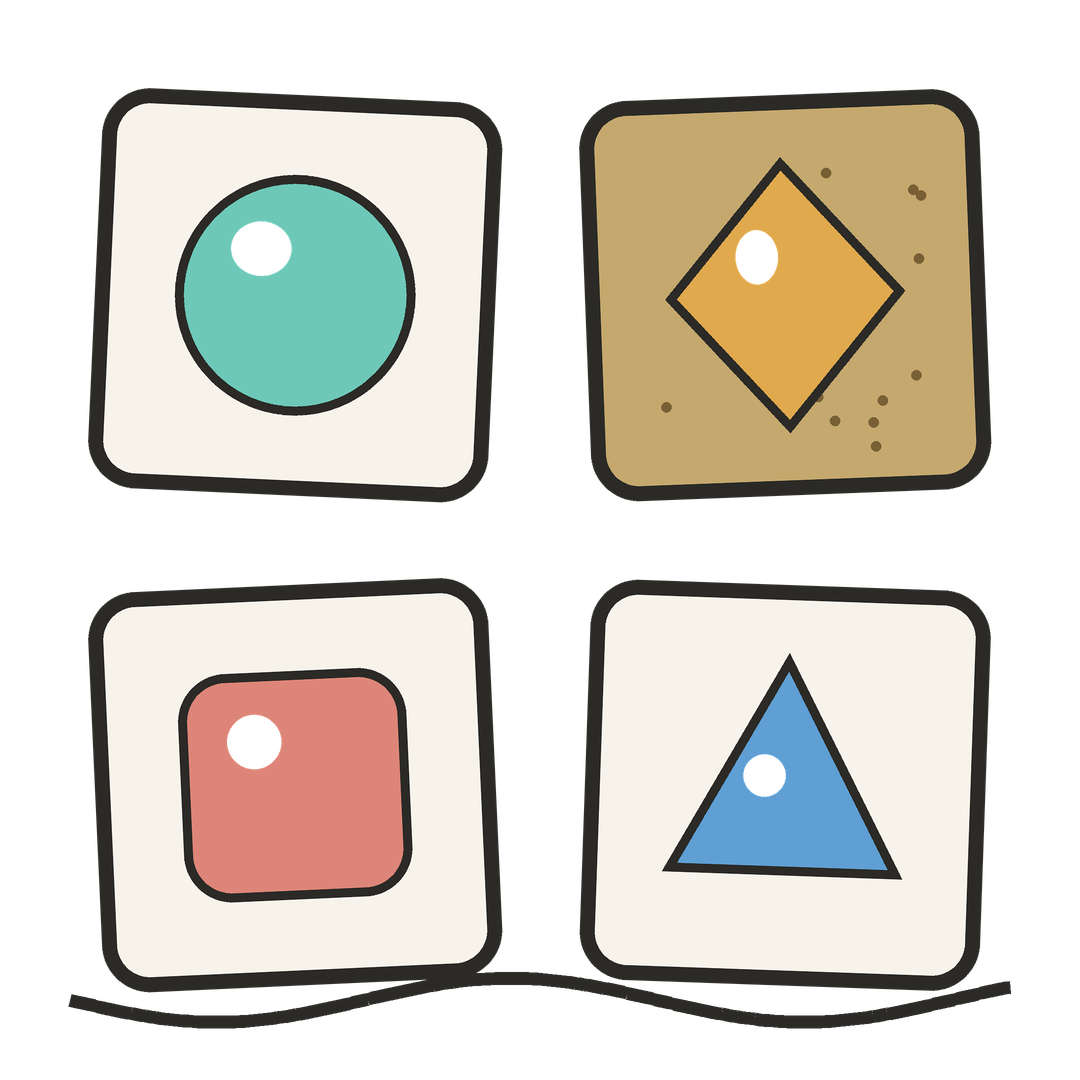
Tideglass
A match-3 tug-of-war against the tide: every swap pulls the waterline down, every match pours it back. Fill the glass to the brim to win the day. Refills are visible in advance, so it rewards skill rather than luck.
Play free →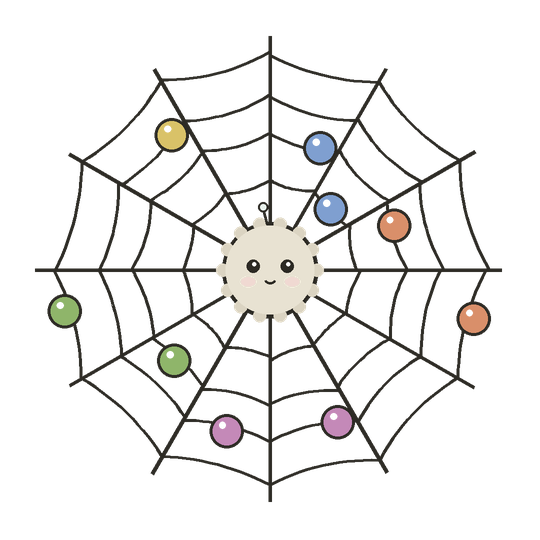
Orbweave
A marble-shooter on a moonlit orb web. Sling dew beads to clear the chain before it reaches the weaver; survive six deepening waves and dawn breaks. Misses ricochet back into play.
Play free →
Hearthbreak
A brick breaker by firelight. Glide the paddle, catch the glowing ember, and bring down ten walls of kiln-fired clay. Green mystery bricks drop gifts, red ones drop curses, and the deep walls creep down toward you.
Play free →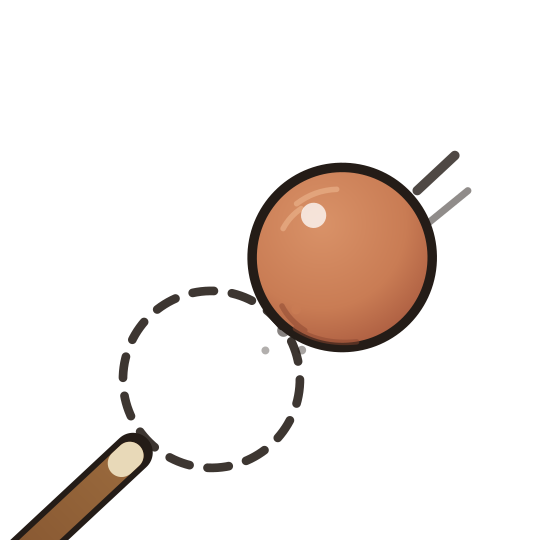
Billiards
Solitaire pool with honest physics. Ten balls, thirteen shots, and a chalked ball that hands two back. A run multiplier builds across scoring shots, banks and kiss shots pay extra, and the last ball is the jackpot.
Play free →
Easy to start, hard to put down
The arcade formula has never needed updating. Rules you learn in ten seconds, pressure that builds by the minute, and runs short enough that losing reads as an invitation rather than a verdict.
Whatever you're doing, sliding tiles or matching a board or holding a chain back, the real subject is tempo: the point where reading, deciding and acting stop being separate steps. Nobody quits an arcade game because it got boring. They quit because their hands got tired, and they come back because the last run was two mistakes away from being a good one.
Pick your tempo
2048 is turn-based calm. Think for as long as you like; the only thing that beats you is your own greed. Tideglass gives you the same thinking time but attaches a cost, since every swap has to out-pour the tide's pull. Hearthbreak is hands rather than head: read the ember's arc and be where it lands. Orbweave is the full arcade experience, aim and timing and nerve against a chain that keeps accelerating through a deepening night, with an endless encore past dawn for the score-chasers. And Billiards slows everything to a walk: single-player pool where you take all the time you want over a shot, and the table only punishes the trigger, never the thinking.
Beyond the arcade
When your hands need a rest, the thinking games are next door: logic puzzles, solitaire, daily word puzzles, and a trivia round.